Inherited Creativity

April 29, 2026
Is it in the bloodstream, or is it something closer to permission?
In creative education circles, a version of a familiar conversation keeps happening. Someone points out that the most gifted student in the room has a parent who is also, inconveniently, extraordinary, as creatives. Is that genetics? Environment? Or just the permission that comes from growing up in a house where making things was considered a reasonable way to spend a life?
The genetics research is real but limited. Studies have found that between a third and a half of the variance in creative ability is heritable. But genes do not hand you a career. They hand you tendencies that either get developed or do not, depending heavily on what surrounds you growing up.
What gets inherited is not always the talent. Sometimes it is the permission.
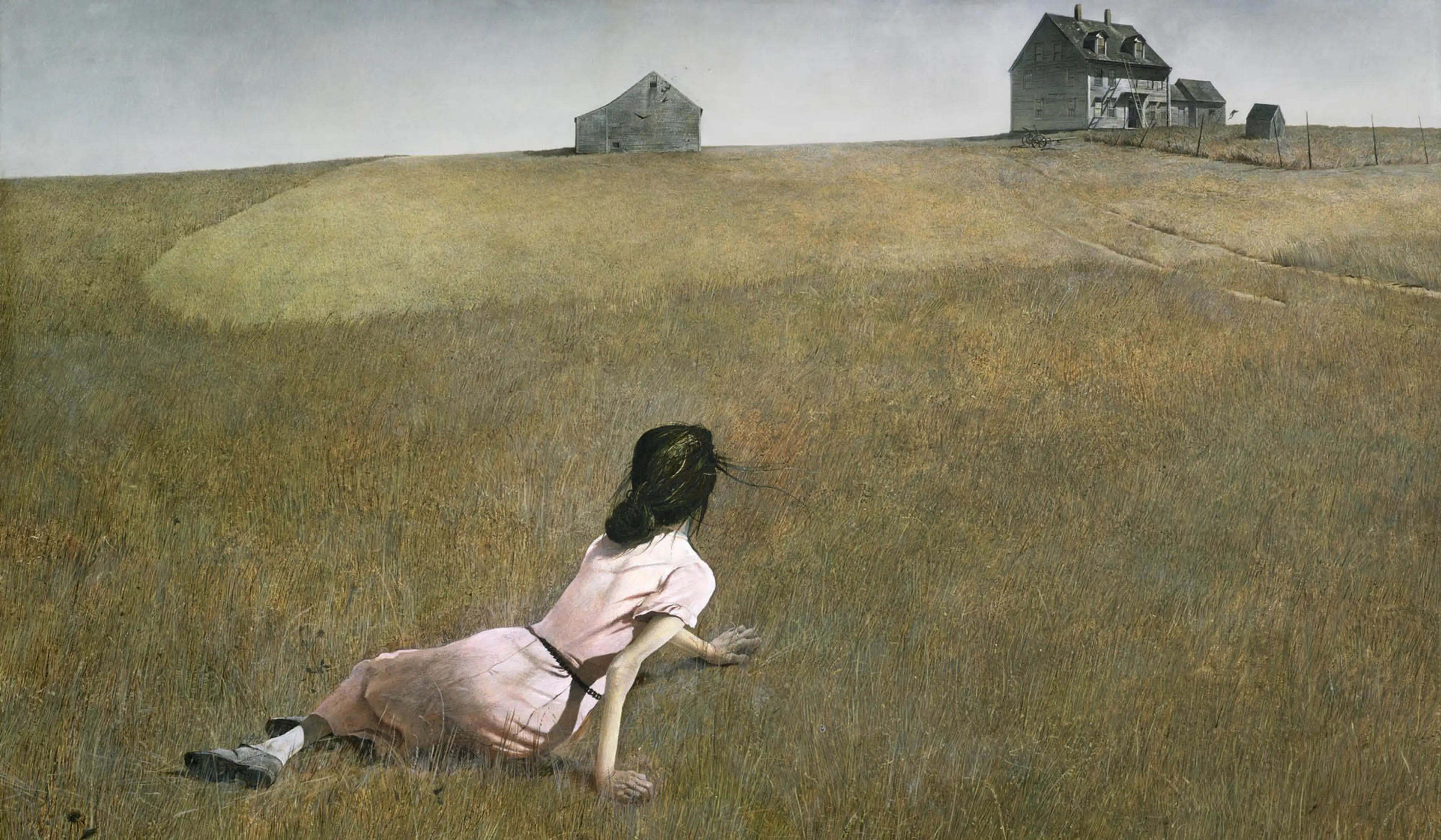
Take the Wyeth family. N.C. Wyeth was one of the most celebrated American illustrators of the early 20th century. His son Andrew made Christina's World, one of the most recognized paintings in American art. Andrew's son Jamie has maintained his own significant practice since. Three generations, same discipline, same landscape of Maine and Pennsylvania as recurring subject.
What passed between them? Visual aptitude, craft instruction, probably some of both. But also the quiet assumption that becoming a painter was a normal thing to do. That assumption is worth more than people tend to give it credit for.
Then there is Alexander Calder, who invented the mobile. His grandfather carved the William Penn statue atop Philadelphia City Hall. His father was also a sculptor of public monuments. Calder grew up with studio access, made toys and tools with his hands before he made art, and arrived at his practice not as someone discovering a foreign country but as someone raised near the border.
When your home is a studio, curiosity does not have to fight for permission to exist.

Across creative lineages, the pattern is less about raw talent and more about what researchers call creative self-efficacy: the belief that you are the kind of person who makes things that matter. Children who watch parents build creative careers absorb something school rarely teaches. That creative work has a process. That it involves failure. That failure is not the end. That head start has nothing to do with genetics.
Money matters here too, and it is worth saying plainly. Creative careers are long and financially unpredictable at the start. Families with resources can hold through the uncertainty. Families without often cannot. Access to materials, training, time away from immediate economic pressure: these are not soft variables. They determine who gets to persist long enough to build something real.
You may not have been born into a creative family. The question is whether you are building one now.
That is not about bloodline, but about who you learn alongside, who lets you into their process, which communities take making seriously enough that you feel the pull to keep going. You can construct that environment deliberately. It does not require the right parents. It requires the right next decision.